
Heart Failure Treatment in Kolkata
Home / Device Procedures / CRT or ICD

CRT/ICD - Heart Failure Treatment
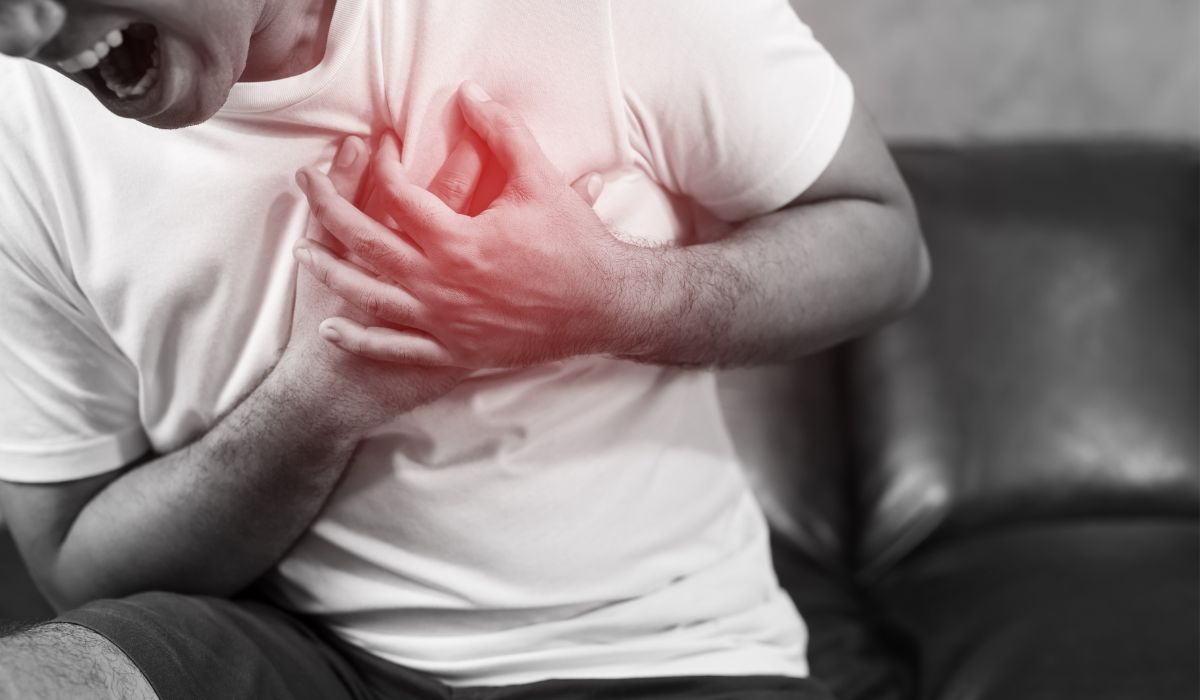
Cardiac Resynchronization Therapy (CRT) and an Implantable Cardioverter-Defibrillator (ICD) work together to support heart failure patients. CRT improves coordination between the heart’s chambers, helping the heart pump better, while an ICD prevents dangerous fast rhythms. You may need this treatment when-
You experience repeated dangerous rhythms
Your heart’s pumping function is low
You experience episodes of sudden fainting
Medicines alone are not helping enough
Severe fatigue affects daily activities
Breathlessness worsens despite treatment
Renowned Electrophysiologist

Dr. Debabrata Bera
MBBS, MD, DM, DNB, PDF (EP). Associate editor, Indian Pacing and Electrophysiology Journal.+91 8420462109 (Secretary Mr. Satinath)
appointment.dr.bera@gmail.com
Premises No: 1489, 124, Eastern Metropolitan Bypass
Mukundapur Market, Stadium Colony, Mukundapur
Kolkata, West Bengal 700099
Mukundapur Market, Stadium Colony, Mukundapur
Kolkata, West Bengal 700099
Benefits of Getting CRT/ICD - Heart Failure Treatment
Book a consultation with Dr. Debabrata Bera for CRT/ICD heart failure treatment and experience the benefits it can bring to your heart health. This treatment can benefit you in the following ways.
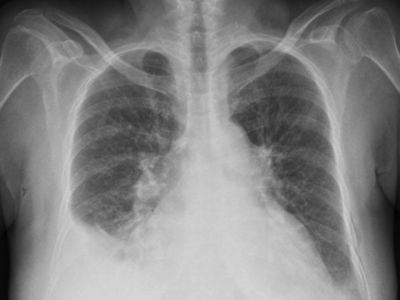
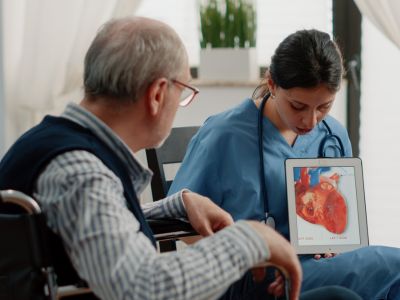
Reduces the chances of cardiac arrest
Improves coordination between heart chambers
Stabilises cardiac rhythm disturbances
Improves heart’s pumping efficiency
Patients Also Ask
Clear answers to the questions patients commonly ask about heart rhythm care.
What is Cardiac Resynchronization Therapy, and how does it help heart failure?
Cardiac Resynchronization Therapy uses a biventricular pacemaker to help both sides of the heart beat together. This improves pumping strength and reduces symptoms, making CRT for heart failure an effective treatment for many patients.
What is the difference between CRT-D vs ICD?
A regular ICD for heart failure treats dangerous fast rhythms by giving shocks. A CRT-D combines ICD protection and biventricular pacing therapy, helping the heart pump more efficiently while preventing sudden cardiac arrest.
Who should consider CRT device therapy?
Patients with weak pumping function or poor heart coordination may benefit from CRT device therapy as part of advanced heart failure treatment.
How is CRT-D implantation performed?
During CRT-D implantation, the doctor places a device under the skin and positions leads in both ventricles, allowing coordinated pacing and protection from dangerous rhythms.
How does heart failure device therapy improve daily life?
Both CRT and ICD-based heart failure device therapy can reduce breathlessness, improve exercise ability, lower hospital visits, and support long-term survival for patients with moderate to severe heart failure.